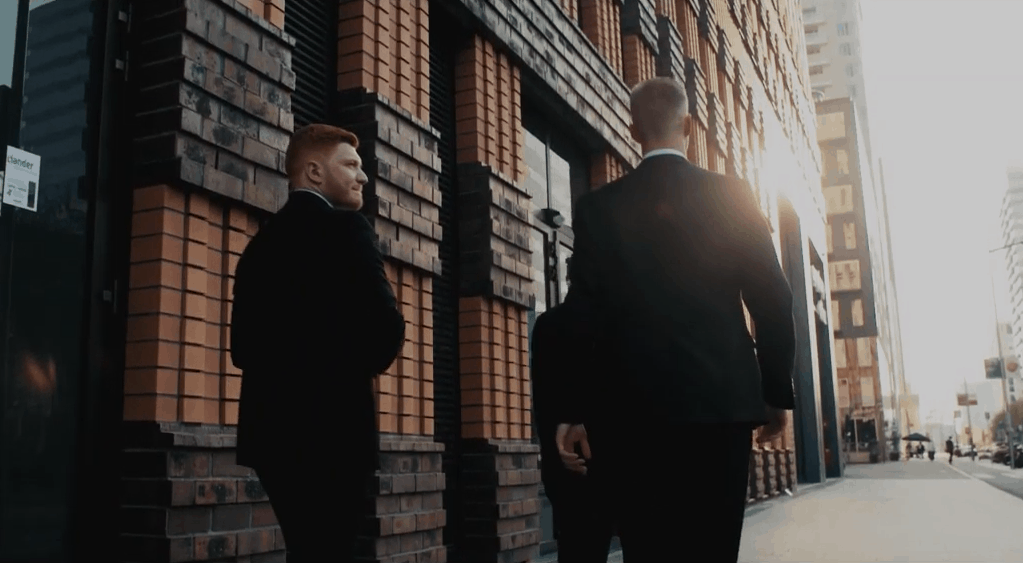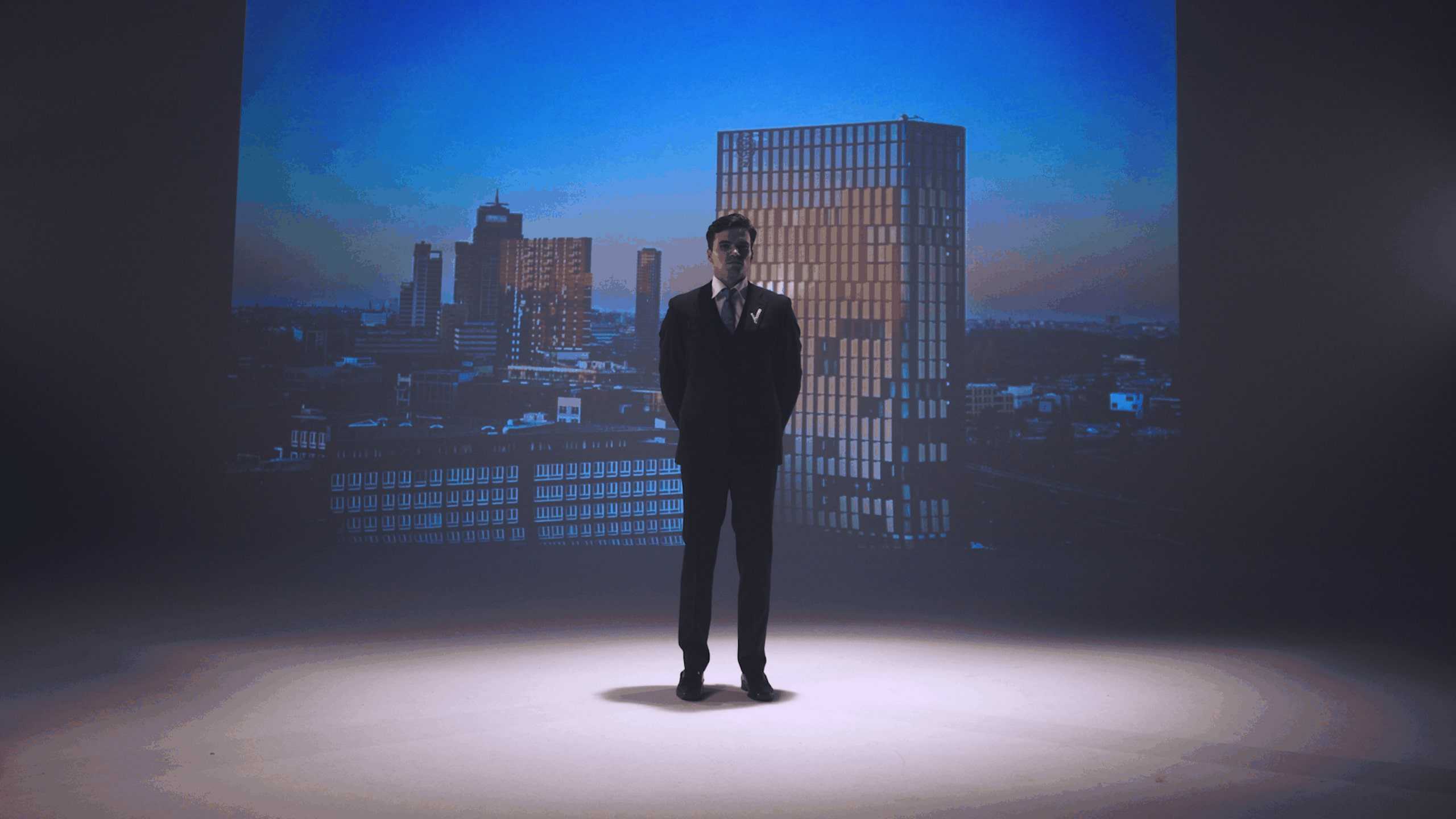
The primary role of a personal security guard is to protect individuals from potential threats and ensure their safety in different environments. A personal security officer is also referred to as a bodyguard or VIP security officer. Personal security can be provided by private security companies or government agencies. Personal protection may be required in situations involving threats, violence, extortion or other security risks. A personal security officer assesses potential risks, monitors the immediate surroundings and takes preventive measures to protect the client. Personal security guards can be deployed during specific hours or provide continuous protection, depending on the situation and security requirements.
What does a personal security guard do?
A personal protection officer works in various environments where alertness, discretion and the ability to respond appropriately are important. Unlike police officers, private security professionals focus specifically on identifying potential threats, preventing incidents and protecting individuals. The main responsibility of a personal protection officer is to safeguard clients by identifying risks and taking appropriate preventive measures. This includes assessing surroundings, monitoring suspicious behaviour and responding to potential threats. A security plan should be established before deployment to ensure that protective measures are tailored to the client’s specific situation.
Passive and active protection
Personal security measures can be divided into two categories: passive and active protection. Passive protection involves physical and technological measures designed to reduce security risks. Examples include protective clothing, biometric access control, armoured vehicles, surveillance cameras and alarm systems. These measures contribute to personal safety by helping to prevent or limit potential threats.
Active personal protection involves trained security professionals who monitor risks, assess situations and respond to potential threats. Examples include personal security guards, bodyguards and security personnel responsible for access control or surveillance. In practice, passive and active personal protection often work together. Surveillance cameras and alarm systems can help detect potential threats, while trained security personnel assess the situation and take appropriate action. Combining these measures creates a more coordinated approach to personal security.
Personal security has evolved significantly over the years, supported by advances in technology and risk assessment. Modern security professionals use surveillance systems, communication equipment and preventive strategies to identify potential threats and respond effectively.
Personal protection can be relevant for business executives, public figures, professional athletes and individuals facing specific security risks. The appropriate level of protection depends on the client’s circumstances, daily activities and potential exposure to threats. At Dutch Crowd Security, personal security is tailored to the individual situation. By assessing risks and coordinating appropriate security measures, we provide discreet protection that fits the client’s environment and requirements. Looking for a personal security guard? Dutch Crowd Security provides discreet, tailored protection based on your security needs. Contact us to discuss your requirements. Request a free quote