In case of fire hazard, evacuation or other emergency, it is important that it is clear who has what responsibility. Workplace emergency responders (BHVs) and fire watch officers both play a role in the safety of the workplace, but their tasks differ. Where a Workplace emergency responder acts mainly in the event of incidents within an organisation, a fire watch shall focus on monitoring fire risks and taking preventive measures.
What exactly is the difference between BHV and a fire watch officer? When is farm assistance sufficient and when is additional fire safety monitoring required? In this article you can read what tasks belong to both functions and what you should be aware of when organising fire safety.
What does a Workplace emergency responder do within an organisation?
A company aid provider is an employee trained to act quickly and responsibly in the event of an emergency. BHV is part of a company’s security organisation and aims to mitigate the consequences of incidents.
The main tasks of a BHV are the provision of first aid, the fight against a starting fire and the supervision of an evacuation. Also the alerting of emergency services and supporting staff and visitors are part of the work.
How many BHVs are needed depends on the risks within the organisation, the number of persons present and the establishment of the site. This assessment shall be based on the risk inventory and assessment (RI&E).
What does a fire watch do and when is it deployed?
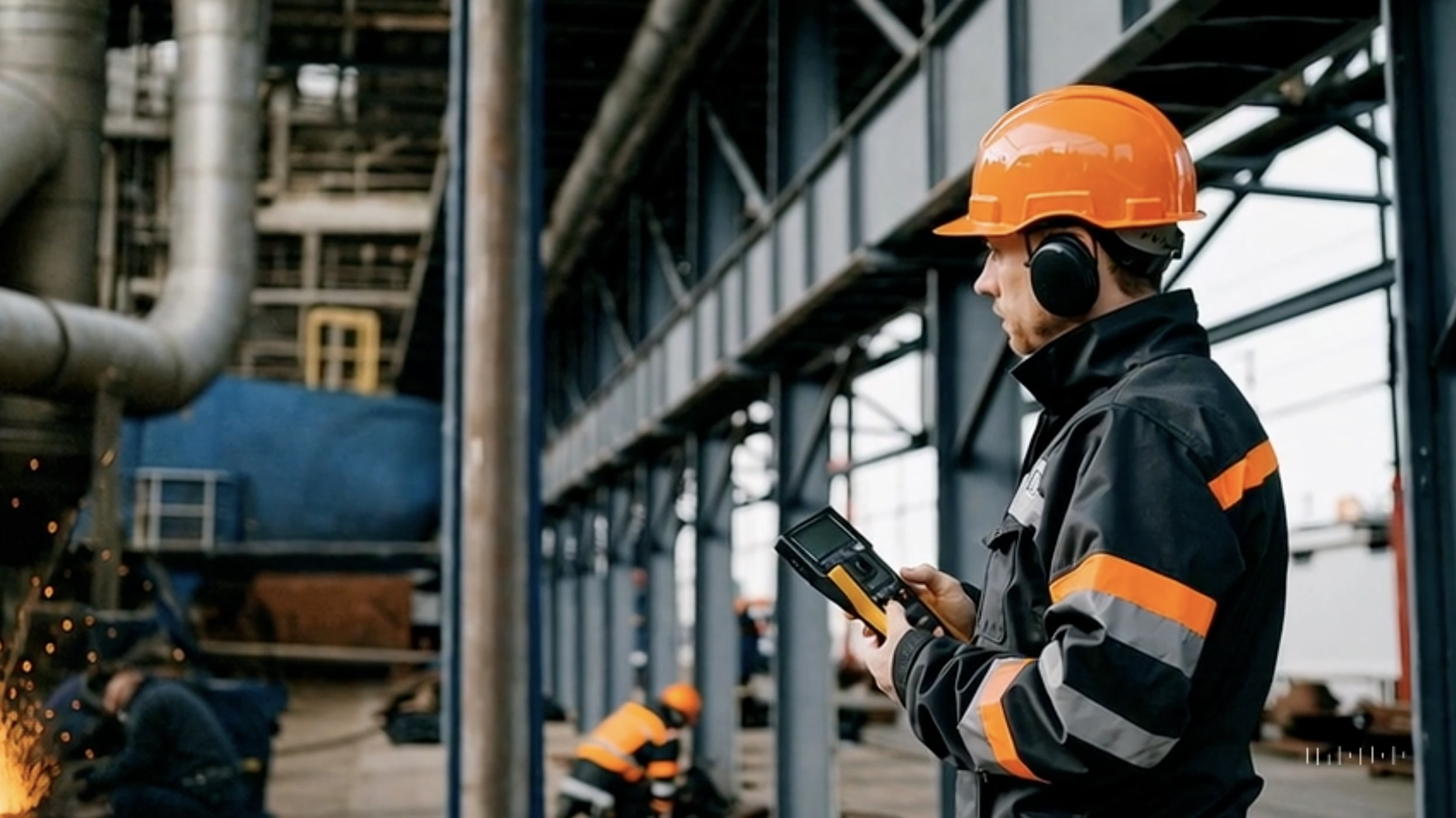
A fire watch shall monitor fire safety and identify situations in which fire hazards may arise. The work will focus on prevention, control and monitoring of safety arrangements at increased risk locations.
Think of work involving sparks or heat, temporary failure of fire alarm or sprinkler systems and locations where additional fire safety measures are needed. A fire watch officer checks the working environment, supervises risky work and takes action when safety is compromised.
Dutch Crowd Security takes care of the use of professional fire watch officers for various locations and projects. The deployment will be tailored to the work, the risks present and the safety requirements in force.
What’s the difference between BHV and a fire watch officer?
The main difference lies in the tasks and the way in which both functions are deployed. A BHV is part of the company’s assistance and occurs in a variety of emergencies. A fire watch officer has a more specific task and focuses on fire safety and monitoring fire risks.
A BHV can fight a starting fire and accompany an evacuation. A fire watch is active in checking whether operations and conditions remain safe and intervenes within the agreed powers when fire risk arises.
Both functions complement each other. The presence of a fire watch does not automatically mean that an organisation no longer needs a BHV. The other way around, a BHV does not simply replace the specialist supervision of a fire watch officer.
When will a BHV be sufficient and when will you need a fire watch officer?
For day-to-day operations, an appropriate BHV organisation is usually the starting point. Employees need to know how they act in the event of a fire, an accident or an evacuation. The size of the BHV organisation shall be determined by the risks and conditions at the workplace.
A fire watch is shown when specific work or conditions require additional fire safety surveillance. For example, when welding, grinding or other work with open fire and heat. Even if a fire protection system is temporarily inoperative, additional monitoring may be required.
Whether a fire watch is mandatory depends on the applicable regulations, permits, contractual agreements and on-site risks. A fire watch officer is therefore not required for any risky activity by default.
In which sectors are fire watch officers deployed?
Fireguards are deployed in locations where fire safety requires extra attention. The work and risks vary from sector to sector, which also varies the necessary effort.
Temporary installations, fire hazards and changing working conditions may give rise to additional supervision in the case of construction projects. Within construction security fire safety monitoring can be part of a broader safety approach.
Fire safety also plays an important role in industry. Think of maintenance work, production environments and work with increased fire risk. For organisations within the sector industry it is important that the security measures connect to the processes and the risks present.
Large business meetings and event locations may require additional fire safety. Think of temporary technical installations, construction work or specific regulations from the site. In combination with event security, an approach is developed that focuses on both visitor safety and fire safety.
What role does BHV and fire safety play in the care?
In healthcare institutions, fire safety requires extra attention. Not every patient or resident can leave a building on their own. Evacuation procedures and the use of farm workers should therefore be linked to the self-reliance of the persons present.
BHVs shall assist in incidents and escort evacuations in accordance with the applicable contingency plan. If fire safety systems temporarily fail or work causes additional risks, additional deployment of a fire watch may be necessary.
In addition to fire safety, the general safety of employees, patients and visitors also plays a role. With professional healthcare security, Dutch Crowd Security supports healthcare organisations in creating a safe environment tailored to the specific conditions of the location.
What do you have to look for when hiring a fire watch officer?
When hiring a fire watch officer, it is important that the stakes match the risks of the location. Not every assignment requires the same knowledge, experience or powers.
Therefore, check what training and qualifications are required, what activities are under supervision and how communication with the client and emergency services is arranged. The responsibilities and procedures must also be clear in advance.
Dutch Crowd Security works with qualified professionals and takes control of the security assignment. From planning to execution and quality control, the client has one contact point. For example, the work of the fire watch is in line with the safety arrangements within the organisation.
Hire a fireguard at Dutch Crowd Security
BHV and fire watch officers each have their own role in the safety of an organisation. Where BHV focuses on dealing in emergency situations, a fire watch shall ensure targeted monitoring of fire risks. What action is needed depends on the work, location and applicable safety regulations.
Dutch Crowd Security is involved in professional fire safety monitoring for construction projects, industrial locations and corporate events. Do you want to know what commitment suits your organisation? Contact us for a suitable solution and a custom quote.