The need for safety is growing. In shops, care institutions, hotels, events, data centres, construction sites and public spaces. However, there are still many misunderstandings about what professional security actually means. And what you can expect as an organisation when you employ security officers.
At Dutch Crowd Security, we think it’s important to break these myths. Clear information leads to better choices, better cooperation and less security risks. That is why we explain what the most widely heard misconceptions are and what modern security looks like in practice.
Misconception 0: A security officer is a big, grumpy man at the door
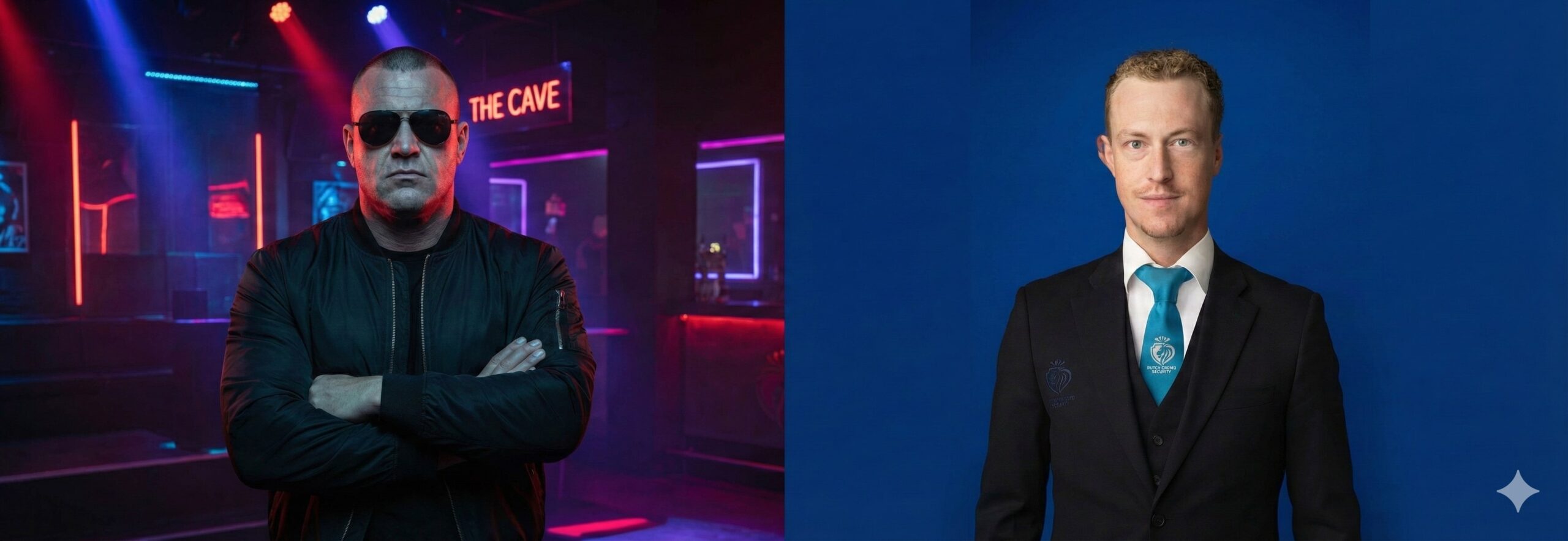
This is perhaps the most persistent stereotype in the whole industry. Many people still see a security officer as a wide door doorman who looks particularly strict and acts physically. That image doesn’t add up to today’s business anymore.
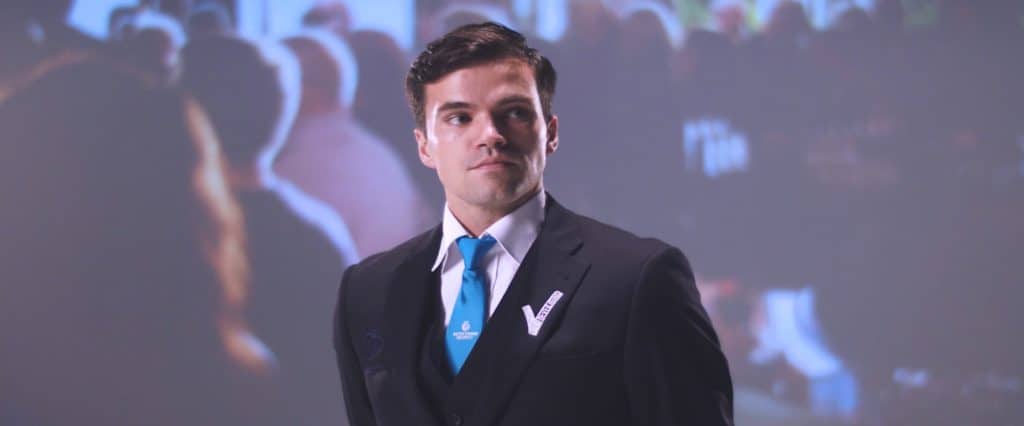
Modern security is about communication, diversity, hospitality and professionalism. Security officers are women and men, young and older, with diverse backgrounds and talents. They are selected for their social skills, their ability to read situations and their power to prevent conflicts.
A good security officer is approachable, representative, empathetic and alert. Not a stereotype, big man. The profession is much more human-oriented than is often thought.
Misconception 1: Security forces often use violence
A lot of people think security officers are dealing with physical confrontations every day. Reality is different. Violence is always the last resort.
Professional security is mainly about prevention, communication and control. Security officers are intensively trained in de-escalation, dealing with resistance, early warning and acting quietly in stressful situations. In sectors such as care, retail or hospitality, empathic and communicative attitudes are often more important than physical intervention.
Good security work means preventing situations from escalating.
Misconception 2: Camera drives and technology make security officers redundant
Technology plays a major role in modern security. Cameras, AI, access control and alarm systems are valuable tools. But only if there are professional people behind it.
Registering cameras. Interpreting, assessing and acting security officers. The combination of human and technology ensures real safety.
Misconception 3: Technological systems are always reliable
Advanced systems such as biometrics and AI are valuable, but never flawless. Equipment can fail, software can cause malfunctions and networks can be vulnerable.
That is why the human factor remains indispensable. Security officers assess notifications, follow protocols, and make decisions where systems can’t. Technology strengthens, but doesn’t replace human beings.
Misconception 4: Security is only for VIPs or large organisations
Some people think security is primarily about celebrities or high-ranking people. In reality, security is present in all places where people come together.
Think of shopping centres, care centres, data centres, hotels, events, construction sites, offices and sports locations. It is not a luxury, but a necessary service that guarantees security, order and hospitality.
Misconception 5: Anyone can wear a uniform and be a security officer
Security is a business. It requires training, screening, permits and continuous training.
A good security officer should be communicative, representative, stress-resistant and experienced in working with different target groups. Each sector has its own dynamics and risks. Therefore, selecting by quality is essential.
Misconception 6: Security is just occupation
Behind each security deployment is a complete process. Planning, back office, permanent contacts, reports, quality control and a picket service that is available 24 hours a day.
Security is a service, not a loose bet. It is a cooperation in which structure and continuity are central.
Misconception 7: During quiet moments you don’t need a good security officer
It is precisely in quiet situations that professionalism is important. An experienced security officer remains alert, recognises anomalies, supervises and remains representative.
Quiet moments can change quickly. The value of a good security officer is often seen only when something happens, but they mainly prevent it from coming to that.
Misconception 8: Security is only needed if an incident has already occurred
A lot of organisations don’t use security until after an incident. But security is all about prevention.
Security officers are present preventively and actively contribute to a safe environment for employees, residents, visitors and customers. Prevention is always more effective than reacting afterwards.
The role of hospitality in modern security
Safety is never independent of experience. Modern security officers are not only regulators, but also the first point of contact at a location.
A friendly attitude, clear communication and professional behaviour ensure peace and prevent escalation. Hospitality is therefore an essential part of the profession.
Conclusion: Time to let go of misunderstandings
Misconceptions arise due to outdated images or unclearness about the subject. The reality is that security is about professionalism, human knowledge, communication, preparation, technology and continuity.
Security officers make an important contribution to security, peace and hospitality on a daily basis. Visible and invisible.
Do you want to know what professional security can do for your organisation? Please feel free to contact us for advice or request a quote immediately.