One incident is enough. A burglary at a construction site, a fire that isn’t detected in time, an unauthorized person on a data centre site. What happens after that depends not only on the damage itself, but on how well the security was arranged.
Companies that treat security as a lockpoint, notice that at the first serious incident. Security isn’t a cost item that optimizes you when there’s budget left. It’s part of how your business functions, how you go out and how you deal with risks you’d rather never experience.
This article is about what’s at stake when security is not properly regulated, and what it will yield if it is.
Why is a security incident affecting more than just the location?
The physical damage after an incident is measurable. What happens to your reputation after that is much less. Reputation damage starts faster than the cleanup crew arrives. Employees talk. I’m filming visitors. Messages spread through social media before there is an official statement.
A data centre with a security leak, an event location where something went wrong with the access control, an office building where unauthorized people walked in: the question customers, partners and tenants directly ask themselves is not “how big was the damage?” but “how could this have happened?”
Recovering trust always costs more than repairing the damage. Customers who have doubts draw conclusions. Suppliers who are wondering whether their goods are safe are looking for alternatives.
What impact does insufficient security have on the continuity of an organisation?
A security incident rarely stops at the location itself. The consequences will continue in business operations. On a construction site, theft of material does not only mean financial damage. It means delay, reordering, planning that shifts and contractors that wait.
On a data centre, unauthorized access can lead to operational standstill, legal procedures and reporting obligations to supervisors. At an event location, one incident can lead to cancellations, reputational damage to organisers and questions about permits.
The insurer compensates for part of the direct damage. What is not reimbursed is the standstill, the loss of revenue, the restoration of confidence and the time that management spends on crisis management rather than ordinary business operations. These are the costs that are rarely taken into account in the preliminary consideration.
Good security prevents most of these scenarios. The likelihood of escalation is considerably lower if someone has the direction, sees what is going on and acts directly.
Why do clients expect more from a security partner these days?
Security is increasingly on the board’s agenda, not just from the facility department. Large organisations operate in an environment where risks have become more complex. Building projects run longer and are more large-scale. Data centres become strategic infrastructure. Events venues serve international audiences. The demands on security have grown along.
Facility Managers and Security Managers aren’t looking for a supplier that runs hours. They’re looking for a partner who can be reached when something’s going on, who can scale up when the situation asks for it and take that responsibility when things go wrong. The distinction is not in the hours, but in who is responsible when it matters.
Boards that take security seriously understand that a good security partner is part of the organisation’s risk management.
How does professional security prevent reputational damage?
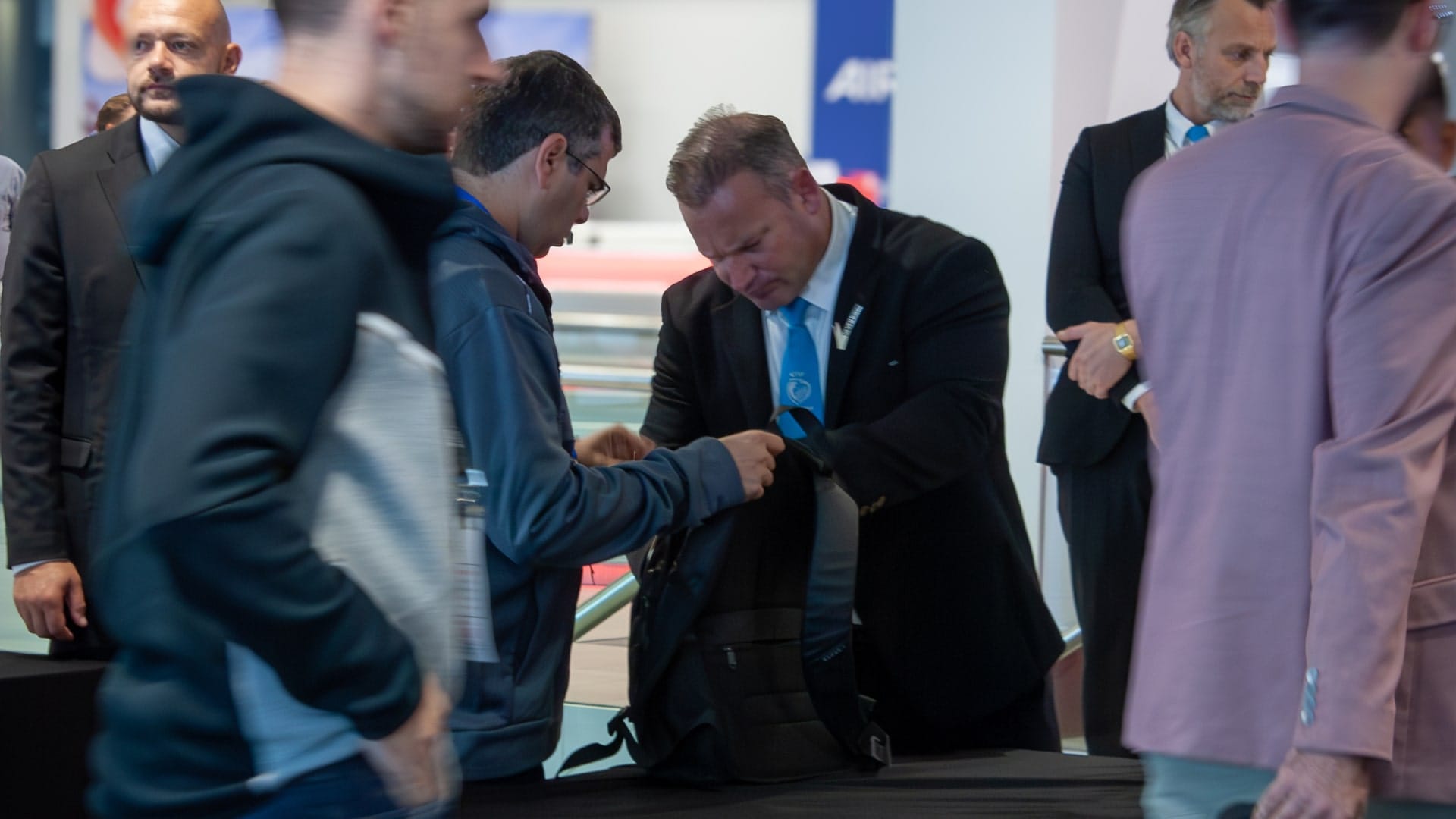
Visible, professional security gives rest. To employees, visitors and to the organisation itself. At a high-end event location or in a corporate environment, the appearance of security officers counts. How they present themselves, how they communicate, how they deal with visitors who are not allowed to go through.
That is not isolated from how a location is experienced. A security officer who appears uncertain or misinformed is counterproductive. A security officer who radiates rest and knows what he’s doing strengthens the whole thing.
Quick follow-up prevents escalation. A situation that is recognised and picked up in the initial phase is rarely significant. This calls for security officers who have been instructed, who know what the procedure is and who can directly switch with a responsible party.
For specific situations, you need specialised people. A state-certified fire watch in an event venue is not just someone with a hood. This is someone with specific competence and training that reassures the insurer, the licence holder and the client.
At a data centre or building site security dog patrols works as a strong preventive signal.
What does investing in good security ultimately yield?
Good security reduces operational risks and gives rest in the organisation. Employees and visitors feel safe, and the board doesn’t get calls from her sleep because there’s someone on the premises who doesn’t belong.
Good security also enhances the look of an organisation. Customers and partners see how a location is guarded, how security officers behave and if there is anyone who can oversee the situation. These are signals that take into account how an organisation is assessed. Even if there’s nothing wrong.
If something goes wrong, the difference between good and bad security is immediately noticeable in how fast the situation is under control. Someone who acts, decides and prevents an incident from getting bigger than it has to be.
Good security is about responsibility.
Presence is one thing, but responsibility is what matters. Who rules when things go wrong, who is accessible at night, and who guards the quality of everything that happens at a location.
If something goes wrong at a multi-party location, the first question is always the same: who is responsible? With Dutch Crowd Security, that answer is always clear. As the main contractor, we are in full control, no matter how many suppliers are involved in the execution.
Quality control, communication and responsibility lie with us. Not with a supplier three drives away. Through our supplier network of certified parties we quickly scale up if the situation so requires.
Do you want to know what Dutch Crowd Security can do for your location or project? Please contact us directly for a non-committal conversation.