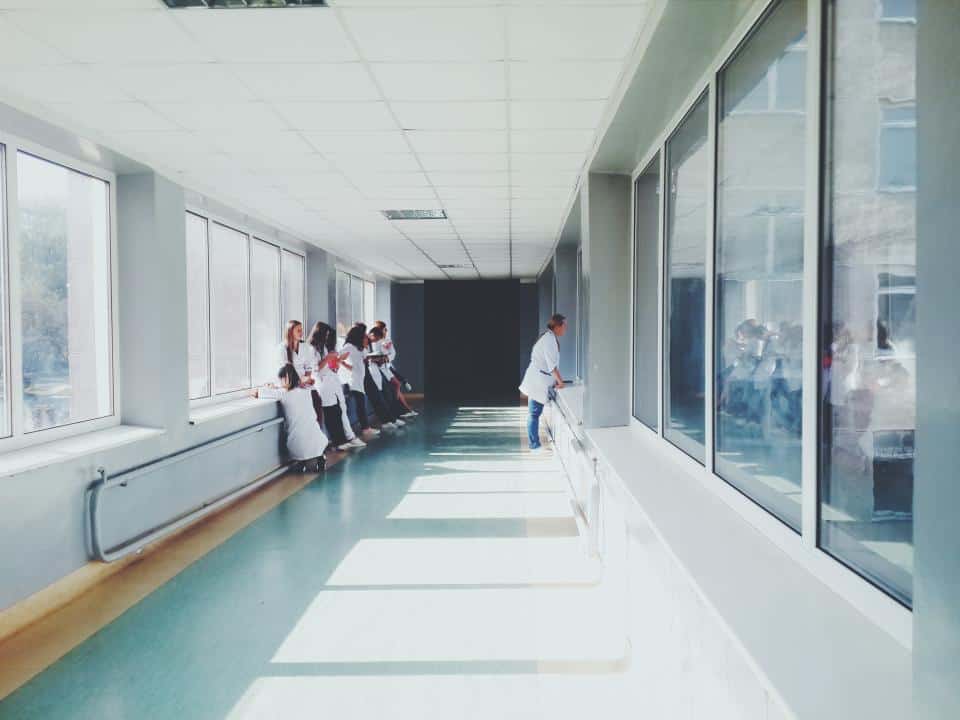
Health care institutions such as hospitals, nursing homes and rehabilitation centres are often public and therefore accessible to everyone. This openness increases the risk of conflict. This calls for tailored security. Read in this blog how security works in healthcare and how this differs from security in other branches.
What does security keep in the care in?
Every form of security has its challenges, including security in care. These are large and complex buildings where many people and goods enter the building. Moreover, care institutions often have advanced equipment, medicines and, above all, a lot of confidential personal information.
Much more than security only
It is important for a care provider to map the type of care facility. The institutions are very different. For example, a psychiatric patient should be treated differently from a hospital patient. For example, a psychiatric patient needs regularity, so it is not good to make changes to this by, for example, having extensive conversations. On the other hand, elderly people in a nursing home like it when a security officer makes a chat with them or simply greets them. For example, there are several benefits that security brings in the care:
- Provides a listening ear for patients and visitors
- Keeps the peace in hectic situations
- Day and night a waking eye
- Safe feeling for visitors and staff
- Health care providers have medical knowledge
Security in the care is therefore primarily focused on maintaining the peace in a hectic and fragile environment like a hospital, emergency care, clinic etc. It is precisely because care institutions are often concerned, among others, with the sick, the injured, the survivors, the disabled and psychiatric patients that they feel safe.
A security officer and a medic in one
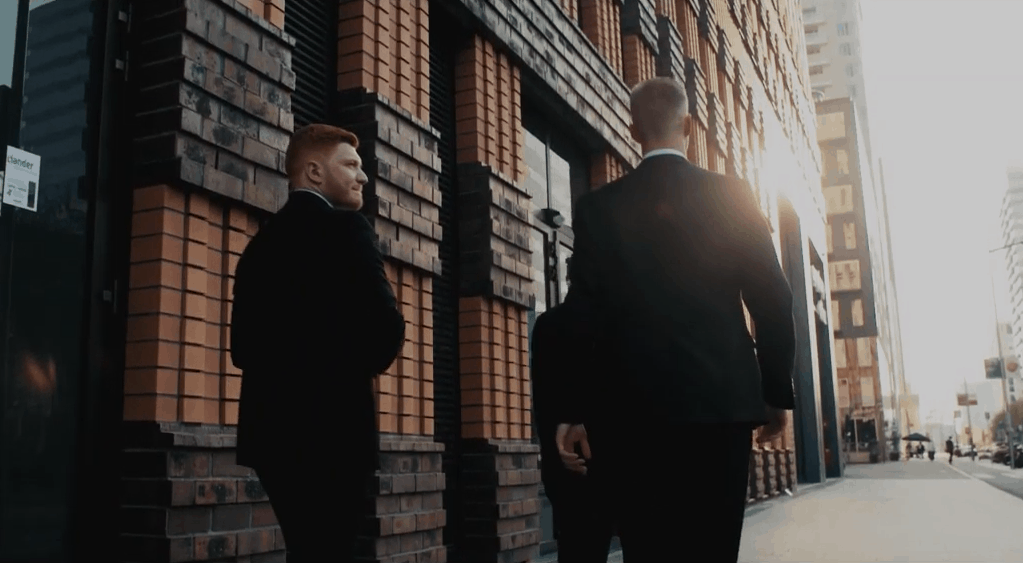
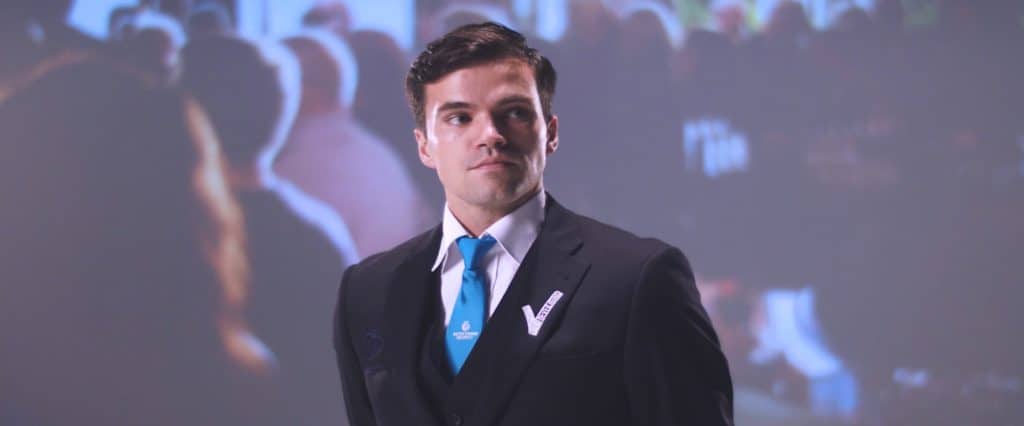
A healthcare security officer is not a regular security officer. A healthcare security officer is specially trained for the work in care and has both a high level of empathy and relativisation. The great empathy is used in healthcare security to give patients and family members a listening ear. In addition, health care providers are regularly confronted with violent situations, such as injuries coming in after an accident, deaths and survivors. In this kind of situation, healthcare security professionals appeal to their relativisation ability, so that they act quickly and adequately regardless of the severity of the situation.
Training
In order to continuously develop healthcare security and to prepare care providers for all kinds of incident scenarios, they are constantly trained on various calamities, disease images, hospitality and receive training in predictive profiling.
Calamities
During emergency training, healthcare security officers are prepared for several incident scenarios. In addition to acquiring knowledge, insight and competence, there is also work on mutual cooperation and communication between health care providers during a calamity training.
Disease images
Security officers need knowledge of care to function properly in this industry. For this reason, care guards also receive regular training in disease images. In this training, attention is paid to the recognition of physical and mental illness. In addition, care providers learn how to have good conversations with, for example, a person with a psychiatric disorder or dementia.
Hospitality
Within this training, the focus is on customer friendliness, also called proactive security. A hospitable look of the security in the care can make a huge difference and at the same time creates a more relaxed atmosphere.
Predictive profiling
Predictive profiling is a security technique and was created to prevent a possible conflict early. Thus, security officers learn to recognise abnormal behaviour and then respond appropriately to it. This can be done by applying different intervention techniques, such as simply greeting the person .