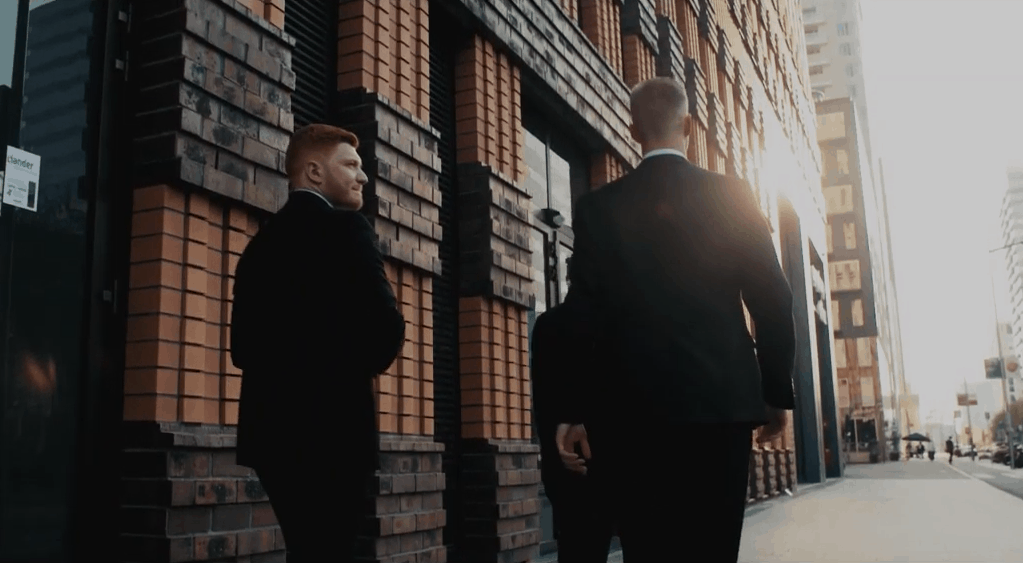
Whether you need two security officers for a private party, fixed security for a store, care facility, data centre or construction site, or a complete team for a big event: you don’t select a security company every day.
Yet companies are often compared on one thing: the price. But the real difference is in professionalism, preparation, processes and the people who represent your organisation.
These are the seven questions that everyone should ask before you choose a security partner.
1. How to deal with illness, leave and unexpected failure?
A trustworthy partner can arrange continuity without you noticing. Therefore, ask:
- Is there a 24/7 picket number?
- Is one working with a picket service that directly arranges replacement?
- Is there a rear guard or pool available for emergencies?
- How soon will the site be replaced?
- Are the escalators clear?
This is crucial for shops, care institutions, construction sites, events and private assignments.
2. How fast can you scale up with extra pressure?
Pressure or security risks do not always follow a schedule. Example situations:
- Additional visitors to a shop
- Unexpected hustle and bustle at an event
- Emergency deployment at a care facility
- Nightly incidents on a construction site
Ask how fast additional security officers can be delivered and how large the flexible capacity is. This requires structure, not improvisation.
3. What criteria are used when selecting security officers?
A security officer is the face of your organisation. Therefore selection is the basis of quality.
Please note:
- Representativeness and attitude
- Communication skills
- Hospitality and customer friendliness
- Screening and reliability
- Experience with the specific target group your location has to deal with
- Sectoral experience (care, retail, catering, events, construction, data centres etc.)
- Valid papers and licences
A professional company only deploys security officers that fit your environment and target audience.
4. How is quality and compliance guaranteed?
Quality monitoring is an ongoing process. Question for:
- Internal quality checks and audits
- Clear incident and reporting structures
- Security protocols and working instructions
- Privacy and GDPR processes
- Compliance with relevant laws and regulations
- Regular evaluation times
- A team of permanent managers and contacts for your organisation
Good security work is never a coincidence. It’s organised.
5. What role does hospitality play in the provision of services?
How do security officers ensure security and remain welcoming and approachable?
Hospitality is not only important in hotels and events. Also in retail, care, offices and even in construction locations, attitude determines the difference between resistance and collaboration.
Please note:
- Training in public handling
- Role of customer friendliness in selection
- How this is monitored and adjusted
- Signals that the organisation understands that security and hospitality must go together
6. Do you have relevant experience with the type of security we ask for?
Each location and target group requires a different approach. Ask for concrete examples.
Here are the main differences by sector:
- Private parties: Access control, atmosphere monitoring, prevention and management of unwanted behaviour.
- Retail: Loss, customer friendliness, conflict management, preventive visibility.
- Care settings: De-escalation, empathy, dealing with complex target groups, keeping peace.
- Construction sites: Surveillance, access control, fire safety, equipment protection.
- Data centres: Access control, camera monitoring, alarm monitoring, monitoring of strict protocols and procedures.
- Events: Crowd control, access control, enforcement, first aid and working with large teams.
- Offices & receptions: Representation, customer contact, access management and alarm monitoring.
- Hotels: Service, guide guests, surveillance, fire and emergency management.
Sectoral experience makes the difference between setting someone up and deploying knowledge.
7. What does communication and cooperation look like?
Strong communication determines 80% of the success of cooperation. Please note:
- One permanent contact
- Clear appointments and quick feedback
- Night and weekend accessibility
- Proactive thinking
- Clear reporting
- Regular evaluations
A good security partner communicates transparent, predictable and professionally.
Conclusion: the real distinction is behind the scenes
A good security company doesn’t deliver occupation, it provides security. Not a loose end, but professional cooperation. Not security officers, but security.
Whether you need two security officers for a party, structural security for a store or care facility, or a complete team for an event, construction site or data centre: the questions above determine the difference between average and professionalism.
At Dutch Crowd Security we check these criteria daily. Because real safety starts with real quality.
Do you want to know how we answer these questions for your organisation? Please feel free to contact us. We’d be happy to help you.