Security can be deployed in many different ways. Some forms are clearly visible and work through their deterrent effect; others are deliberately invisible and work precisely because they cannot be spotted or bypassed. Both approaches have their strengths, and in most business environments the strongest security plan combines them.
What are visible forms of security?
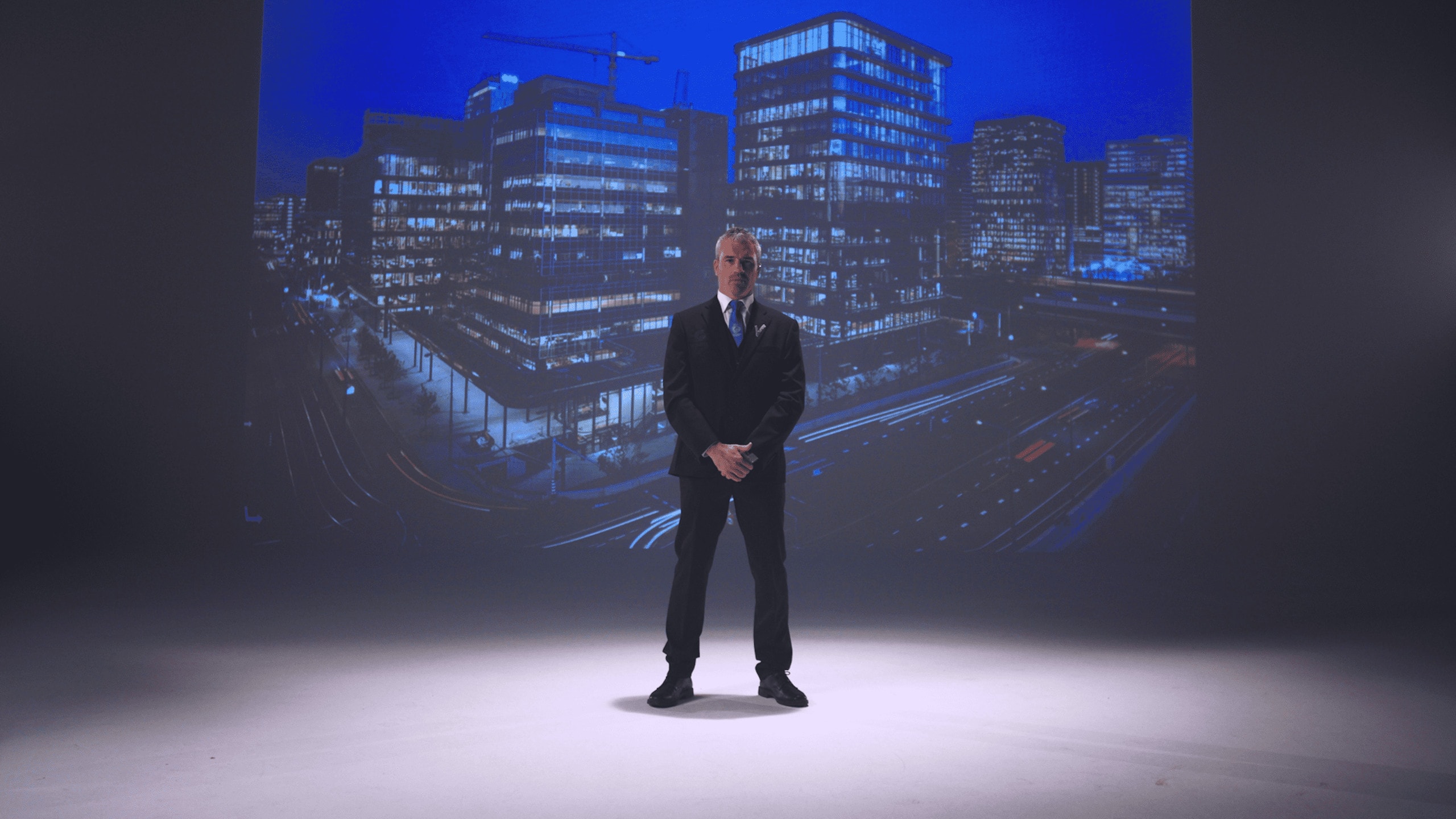
Visible security is any measure that is openly perceptible to visitors, staff and passers-by. Common examples include uniformed security guards at events, in shops and in museums, fences and access gates with identity checks, clearly signposted camera systems and visible personal protection during VIP visits. The core mechanism is deterrence: people see that the environment is monitored and adjust their behaviour accordingly. Visible security guards often fulfil a second role as well, welcoming visitors, giving directions and providing a first point of contact. The main advantages are the deterrent effect, immediate intervention capacity on site and the reassurance that comes from a visible presence. The disadvantages are that visible measures do influence the atmosphere of a location, and that individuals with intent can adapt their tactics based on what they see.
What are invisible forms of security?
Invisible security is not immediately noticeable, either because the measure itself is hidden or because it is deployed deliberately discreetly. Think of security guards in plain clothes, concealed motion and heat sensors, pressure mats and floor sensors, and intrusion detection systems built into the infrastructure. Invisible security works because unauthorised parties are unaware of the measure’s existence and therefore cannot circumvent it. It has the added benefit of leaving the daily experience of visitors and customers untouched. The advantages are stronger protection against premeditated attempts and minimal impact on the atmosphere. The disadvantages are the absence of a visible deterrent and the fact that response times can be slightly longer when a signal is picked up.
Which is more effective: visible or invisible security?
Neither on its own is generally the strongest option. Visible security is highly effective at preventing opportunistic incidents, casual theft, minor vandalism, low-level aggression, because most people react to being seen. Invisible security is more effective against planned, targeted actions, because it removes the ability to prepare against a known measure. For most business environments, the effective answer is to combine both.
When does visible personal security work, and when does discreet personal security?
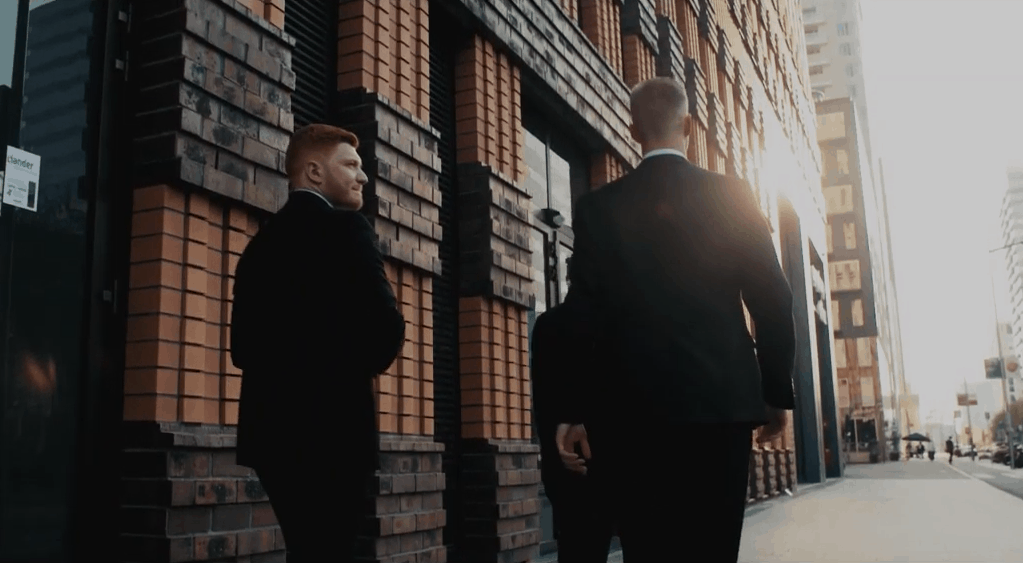
Personal security can be deployed both visibly and discreetly, and the choice depends on the person and the situation. Visible personal security, a uniformed close-protection officer, works through deterrence and signals unambiguously that the person is being protected. Discreet personal security in civilian clothing is more appropriate when the individual wishes to remain low-profile, attract less attention or maintain normal freedom of movement. In practice, discreet protection is often preferred for executives, business guests and diplomatic visitors, while visible protection is a better fit for major public events, awards ceremonies and public appearances.
- In the event of a concrete suspicion of a criminal offence, for example theft by an employee.
- When demonstrably no other way exists to gather evidence
- For a short, defined period
- After a Data Protection Impact Assessment (DPIA) for long-term or significant deployment
- In consultation with the Works Council, which has the right of consent regarding the deployment of personnel control measures
Afterwards, those involved must be informed about the use of the hidden camera. Read more about the legal framework in the article about camera security and privacy legislation and about buying tips in camera security for businesses.
Are hidden cameras allowed in a business?
The use of hidden cameras at work is subject to strict rules under the General Data Protection Regulation (GDPR/AVG), overseen in the Netherlands by the Autoriteit Persoonsgegevens (Dutch Data Protection Authority). A hidden camera requires a valid legal basis under Article 6 GDPR, usually legitimate interest, and must pass a necessity and proportionality test. In practice, this means hidden cameras may only be deployed when there is a concrete suspicion of a criminal offence (for example theft by staff), when it can be demonstrated that no less intrusive means are available to gather evidence, for a short and defined period, after a Data Protection Impact Assessment (DPIA) for long-term or wide-ranging deployment, and in consultation with the Works Council, which under Dutch works council law has a right of consent for staff monitoring measures. Afterwards, the people affected must be informed about the deployment of the hidden camera. Read more about the legal framework in the article about camera security and privacy legislation and about practical buying tips in camera security for businesses.
When do you combine visible and invisible security?
For most business environments the combination works best. Visible object security and reception staff deliver deterrence and a hospitable first impression, while invisible sensors and detection systems provide additional protection outside opening hours or in unstaffed areas. In retail environments, visible store security is often combined with undercover retail security in civilian clothing to detect organised retail crime. At events, visible security guards work the entrances while discreet crowd observation operates on the floor and in the crowd. The right mix depends on the sector, the risk profile, the atmosphere that fits the location and the legal frameworks applicable to your industry. How does technology fit into a security plan? Technology and human presence work best when they reinforce each other. Cameras, access-control systems and detection sensors provide continuous coverage and forensic evidence, but they don’t intervene. Security guards observe, engage and act, but they cannot be everywhere at once. A good security plan starts with the risk profile and layers human presence and technology in a way that closes the gaps. Dutch Crowd Security provides the human layer, uniformed security guards, discreet officers in representative civilian attire and personal protection for executives. For camera systems, intrusion detection and access control we work with specialised technology partners as part of an integrated security plan. Contact us for an exploratory conversation or a tailored quote.